
When to Start Gardening in Zone 6 (Detroit): A Spring Timeline for Beginners
Learn exactly when to start your Detroit garden with this beginner-friendly Zone 6 spring timeline. Get key dates, practical tips, and start growing food.
Kesha P.
4/28/20267 min read
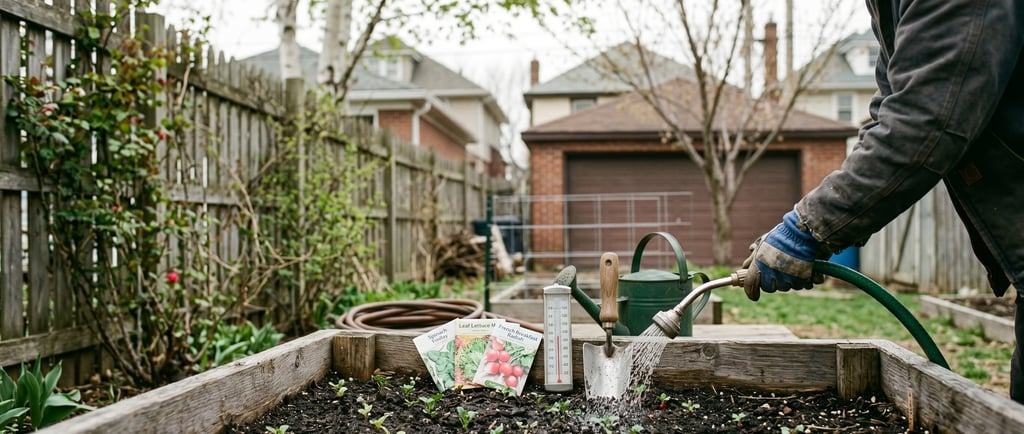
Spring in Detroit is full of surprises. One day you are enjoying warm sunshine on your porch, and the next, you are scraping frost off your car windshield. If you have never gardened before, this unpredictable weather can make starting a vegetable garden feel overwhelming. You might find yourself wondering exactly when to put those seeds into the dirt.
If you feel unsure about when to start, you are in the right place. We will keep this simple, practical, and doable—one step at a time. Urban gardening is not about having perfect weather or massive amounts of space. It is about using the space you have well and understanding a few basic rules of our local climate.
In this guide, we will break down exactly when to start gardening in Detroit. You will walk away with a clear spring timeline, a list of easy tasks for each month, and a checklist of common mistakes to avoid. Let us get your garden growing.
Understanding Zone 6 and Our Last Frost Date
Before we dive into the timeline, let us talk about what "Zone 6" actually means. The United States Department of Agriculture (USDA) maps out different growing zones based on how cold it gets in the winter. Detroit and the surrounding metro areas sit right in Zone 6.
This zone tells us which plants will survive our winters, but more importantly for spring, it helps us predict our frost dates. In gardening, the "last spring frost date" is the most important number you need to know. For Detroit, our average last spring frost date usually falls around May 15th.
Local resource tip: If you’re looking for extra support, Keep Growing Detroit offers memberships that include soil testing and great resources for new gardeners. If land access is part of your long-term goal, look out for the Detroit Black Farmer Land Fund application each year around Juneteenth. These programs can help you build skills and get connected to Detroit’s gardening community.
Many local gardeners follow a traditional rule of thumb: wait until Mother’s Day weekend to plant your warm-weather crops outside. Planting tender vegetables before this date is risky, as a sudden late freeze will easily damage them. However, you do not have to wait until May to start gardening. There is plenty to do in March and April to prepare for a successful harvest.
Your Spring Gardening Timeline
A successful garden requires a bit of planning. By breaking the spring season down month by month, you can spread out the work and keep things budget-friendly. Here is your step-by-step guide to spring gardening in Detroit.
March: Planning and Indoor Prep
March in Michigan is rarely warm enough for outdoor planting, but it is the perfect time to start your garden journey inside. This month is all about gathering supplies and starting seeds that need a long time to grow.
Start your seeds indoors:
Certain plants, like tomatoes and peppers, take a long time to produce fruit. If you plant their seeds directly outside in May, our growing season will end before they are ready to harvest. Start these seeds indoors near a sunny window or under a cheap grow light around mid-March. You can save money by using clean, recycled yogurt cups or takeout containers with holes poked in the bottom for drainage.
Plan your garden space: Take a walk around your yard, patio, or community plot. Watch where the sun shines brightest during the middle of the day. While most vegetables do best with six or more hours of direct sunlight, don't worry if you have less—there are still plenty of delicious crops that will grow and thrive in lower light spots. Grab a piece of paper and sketch out where you want your plants to go. If you are building a new space, look into cost-effective ways to set up raised beds or containers that suit your available sunlight.
Clean up the yard:
Pick up any branches, leaves, or debris that gathered over the winter. If you already have raised beds or pots, check them to see if they need repairs. This light physical activity is a great way to get moving and enjoy those early, mild spring days.
April: Cool-Weather Crops Go Outside
April showers bring May flowers, but they also bring the perfect weather for cold-hardy vegetables. You do not have to wait for the danger of frost to pass completely for certain tough crops. These plants actually prefer the cool, crisp air of early spring.
Direct sow your cool-weather seeds:
As soon as the ground thaws and the soil is no longer a muddy mess, you can plant seeds directly into your garden beds. Great beginner-friendly options include peas, spinach, radishes, carrots, and leaf lettuce. Radishes are incredibly rewarding because they grow fast. You can often eat them just 30 days after planting the seed!
Prepare your garden soil:
Healthy plants need healthy soil. April is the time to feed your dirt. You can buy bags of compost from local garden centers or make your own from kitchen scraps. Spread a thick layer of compost over your growing space and gently mix it into the top few inches of soil. This adds vital nutrients that will feed your vegetables all summer long.
Watch the weather:
April weather shifts quickly. If a heavy snowstorm or a hard freeze is in the forecast, you might need to protect the young sprouts that just popped up. An old bedsheet or a light tarp placed over your garden bed overnight will provide enough protection to keep them safe. Remove the cover in the morning when the sun comes out.
May: The Big Push
May is the most exciting month for Detroit gardeners. The soil is warming up, the days are getting longer, and the threat of frost is finally fading away. This is when your garden truly comes to life.
Harden off your indoor seedlings:
If you started tomatoes or peppers indoors back in March, they have lived a very sheltered life. You cannot move them straight from a cozy windowsill into the harsh outdoor wind and sun. They need to be "hardened off." Take your indoor plants outside for just one hour on the first day, keeping them in the shade. Over the next week, slowly increase their time outside and their exposure to the sun. This gradual process makes their stems strong and prevents shock.
Plant the warm-weather crops:
Once Mother’s Day weekend arrives and the nightly forecast stays consistently above 50 degrees, it is safe to plant everything else. Move your hardened-off tomatoes and peppers into the ground. This is also the time to plant seeds for green beans, cucumbers, zucchini, and squash directly into the dirt.
Add a layer of mulch:
After you plant your vegetables, spread a layer of mulch around the base of the stems. You can use straw, untreated grass clippings, or shredded leaves. Mulch acts like a blanket. It traps moisture in the soil so you do not have to water as often, and it stops annoying weeds from stealing nutrients from your food.
5 Common Spring Gardening Mistakes to Avoid
Beginner-friendly does not mean watered down. We want to give you the exact details that help you avoid common setbacks. If a plant does not survive, that is not a failure—that is just information. However, you can save time and money by watching out for these frequent beginner mistakes.
1. Planting out too early
It is tempting to buy big, beautiful tomato plants at the hardware store on the first sunny day in April and put them in the ground. Do not do it. A late Detroit frost will destroy them overnight. Always wait until mid-May to plant warm-weather crops outdoors. Patience saves you from buying plants twice.
2. Working wet soil
Spring brings rain, which leaves the ground heavily saturated. If you dig or step on wet, muddy soil, you compress it into hard clumps. Plant roots struggle to push through compacted dirt. Before you dig, grab a handful of soil and squeeze it. If water drips out, or if it forms a tight, muddy ball that does not break apart easily, wait a few more days for it to dry out.
3. Forgetting to thin seedlings
When planting tiny seeds like carrots or radishes, it is easy to accidentally drop too many into one spot. When they sprout, they will be crowded together, fighting for water and space. You must pluck out the weakest sprouts to give the strongest ones room to grow. It feels sad to pull up healthy baby plants, but your harvest will be much larger if you do.
4. Burying seeds too deep
A common guess is that seeds need to be planted deep in the dirt to stay safe. In reality, most seeds only need to be planted twice as deep as their own size. For tiny seeds like lettuce, you barely cover them with a sprinkle of soil. If you bury them too deeply, they will run out of energy before they can push through the surface to reach the sun.
5. Trying to do too much
When looking at seed catalogs, you might want to grow twenty different vegetables. Start small instead. Pick three or four vegetables your family actually likes to eat. Master those first. A small, well-tended garden yields much more food than a large, neglected space that became too overwhelming to weed and water.
Keep Going and Keep Growing
Starting your first garden is a beautiful process of trial and error. Some seeds will sprout perfectly, and some might not grow at all. The weather might cooperate, or we might get a surprise snowstorm in May. Adjusting to these changes is just part of the rhythm of growing your own food. By following this simple spring timeline, you are setting yourself up for a season full of fresh, healthy produce right from your own backyard or community plot.
Remember, you do not have to figure everything out on your own. Gardening is always better when we do it together. If you want to build your confidence, share seeds, or simply learn alongside your neighbors, check out our upcoming community events. We love meeting new people and sharing hands-on tips.
If you’d like to volunteer with us this season, you can find current opportunities here: https://www.eventbrite.com/o/50064615193
Contact
LittleDetroitCG@gmail.com
© 2025. All rights reserved.