
Vegetables That Grow With 4 Hours of Sun: Best Picks for Detroit Yards
Got a shady yard in Detroit? Learn which vegetables thrive with just 4 hours of sun and get simple tips to maximize light in your urban space.
Kesha P.
5/5/20267 min read
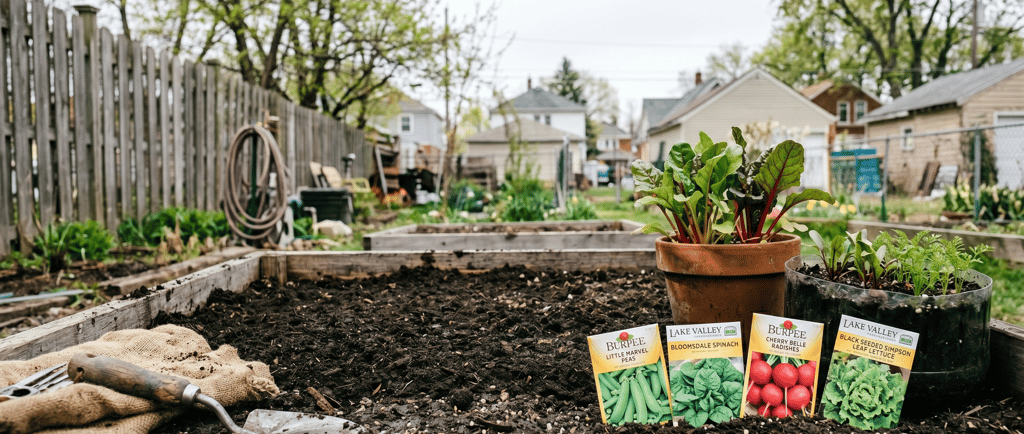
If you have never gardened before, you are in the right place. Many beginners look at their Detroit backyards, see the shadows cast by tall fences, mature trees, or neighboring buildings, and assume they cannot grow food. You might feel frustrated thinking you need a massive, wide-open field baking in the hot sun all day to get a good harvest.
We will keep this simple, practical, and doable—one step at a time. Urban gardening is not about having perfect conditions or endless space. It is about using the space you have well. While tomatoes and peppers demand long hours of direct sunlight, plenty of delicious, healthy vegetables actually prefer a break from the heat.
If your yard gets just four hours of sunlight a day, you can still have a thriving, budget-friendly garden. Let us break down exactly what to plant in your shady spots, how to make the most of the light you have, and common traps to avoid. Start your garden journey today and turn that shady corner into fresh food for your family.
Understanding Partial Shade in Your Yard
Before you buy seeds, you need to know what kind of light your yard actually gets. Garden centers use terms like "full sun," "partial shade," and "full shade." These terms confuse plenty of beginners, so let us make them clear.
Full sun means six to eight hours of direct, unfiltered sunlight hitting the dirt. Partial shade means the area gets about three to six hours of sun, and you'll be happy to know that you can still grow a variety of food crops even with less. Full shade means the spot gets less than three hours of direct sun, or only dappled light filtering through thick tree branches.
If your yard gets four hours of sun, you have a partial shade garden. This is incredibly common in urban Michigan neighborhoods. The easiest rule of thumb to remember is this: if you grow the plant for its fruit (like cucumbers or tomatoes), it needs full sun. If you grow it for its leaves or its roots, it can handle partial shade.
Detroit Resource Spotlight: For local support, consider joining Keep Growing Detroit. Their membership comes with soil testing, helpful classes, and loads of seeds and transplants to get you going. If you’re interested in land access, mark your calendar for Juneteenth, when the Detroit Black Farmer Land Fund opens its annual application—an amazing opportunity for new and aspiring growers.
Best Low-Sun Vegetables for Detroit Yards
You do not have to settle for a small harvest just because you have limited light. Focus your energy on crops that naturally thrive in cooler, shadier spots. These vegetables are perfect for beginners, cost very little to grow, and will provide fresh food for your table.
Leafy Greens
Leafy greens are the champions of the shade garden. In fact, they prefer less sun. When greens sit in hot, direct summer sunlight, they turn bitter and bolt (produce flowers and stop growing leaves). Giving them just four hours of sun keeps them sweet and tender for a longer period.
Spinach: This is a staple for healthy eating. Spinach grows quickly and handles the cool weather of Zone 6 beautifully. You can plant it in early spring and harvest the outer leaves continuously.
Leaf Lettuce: Instead of trying to grow a whole head of iceberg lettuce, try loose-leaf varieties. These varieties tolerate shade wonderfully. Just snip off what you need for a salad, and the plant will keep growing more leaves.
Swiss Chard: If you want a pop of color in your yard, grow Swiss chard. Its bright red, yellow, and pink stems look beautiful, and the leaves pack a massive nutritional punch. It survives light frosts and tolerates shade without missing a beat.
Root Vegetables
Because root vegetables do their growing underground, they do not need as much energy from the sun as a plant trying to ripen a heavy vegetable above ground. They will grow a bit slower in four hours of sun than they would in eight, but they will still produce a great crop.
Radishes: Radishes are the ultimate beginner vegetable. They are practically foolproof and grow very fast. Even with just four hours of sunlight, you can pull fresh radishes from the dirt in roughly thirty days.
Carrots: Carrots grown in partial shade take a little longer to reach full size, but the wait is worth it. They prefer cooler soil, which a shady yard naturally provides. Focus on shorter, stubbier varieties like "Danvers" or "Paris Market" rather than long, massive carrots.
Beets: Both the root and the leaves of the beet plant are edible, giving you two crops for the price of one. They manage nicely in low light and bring a sweet, earthy flavor to your meals that you just cannot get from a grocery store can.
Brassicas
The cabbage family is notoriously tough. These plants love cool weather and handle partial shade easily. They take up a little more room, but they yield heavy, filling food that stretches your grocery budget.
Broccoli: Broccoli plants appreciate a break from the intense afternoon sun. While the main head might be slightly smaller in a partial shade garden, it will still taste incredible.
Kale: Kale is incredibly resilient. It grows in partial shade, handles our cold Detroit springs, and actually tastes sweeter after a frost. A few kale plants tucked into a shady corner will feed your family for months.
Fresh Herbs
Buying fresh herbs at the store is expensive, but growing them is cheap. Many herbs originate from woodland areas, making them perfectly adapted to partial shade. Mint, parsley, chives, and cilantro all do exceptionally well with just four hours of sunlight. Just remember to put mint in its own pot, or it will spread and take over your entire garden!
Practical Tips for Maximizing Limited Sunlight
When you only have a few hours of sun to work with, you want to make sure your plants catch every single ray. A few smart choices can turn a small area into a highly productive space.
Local Note: In Michigan, it’s helpful to map the sun patterns in your space—take a few days to jot down where the sunlight falls, since big trees and nearby buildings can really affect what each yard receives. For folks interested in stretching the growing season, a small hoop house or low tunnel is a simple investment that can provide extra warmth and light when you need it most.
Use Reflective Surfaces
You can literally bounce extra light onto your plants. If your garden bed sits near a solid wooden fence or a brick wall, paint that surface white. The white paint reflects the sun directly back onto your vegetables. You can also place light-colored stones or white mulch around the base of your plants to bounce light upward into the leaves.
Try Container Gardening
The biggest advantage of growing in pots or containers is mobility. If the sun hits your front porch in the morning and your back patio in the afternoon, you can simply pick up the pot and move it. You do not need expensive pots, either. Clean, food-safe buckets with drainage holes drilled in the bottom work perfectly. For a bit more yield, try placing your containers in the brightest spot you have and move them as the sun shifts during the day.
Trim Overhead Branches
Sometimes, the solution is right above your head. If a large tree casts a heavy shadow over your yard, look for small branches you can safely prune. You do not need to cut the tree down. Just removing a few lower limbs allows dappled sunlight to filter through the canopy and reach your vegetables.
Space Your Plants Properly
In a shady garden, plants need to stretch their leaves out wide to catch the sun. If you crowd them together, they will shade each other out, making the problem worse. Read the back of your seed packets and follow the spacing guidelines strictly. Giving them breathing room also improves airflow, which keeps them healthy.
4 Common Mistakes When Gardening in the Shade
Beginner-friendly does not mean watered down. You will get clear steps, plus the details that help you avoid common mistakes. If something did not work out last season, that is not failure—that is information. We adjust, we learn, and we try again. Here are four traps to watch out for when growing in partial shade.
1. Overwatering the Soil
The sun acts as a natural sponge, evaporating moisture from the dirt. In a shady yard, the soil stays wet much longer than it does in full sun. If you water your plants every single day out of habit, you will drown the roots and cause them to rot. Always check the dirt before you water. Poke your finger about an inch into the soil. If it feels damp, step away and leave the watering can alone.
2. Expecting Lightning-Fast Growth
Plants use sunlight as fuel to grow. When they run on a half-tank of sunlight, they just drive a little slower. Your radishes might take 40 days instead of 30. Your carrots might need an extra two weeks to fatten up. This is completely normal. Practice patience and let nature take its course.
3. Ignoring Pests like Slugs
Slugs and snails love dark, damp, cool environments. Your shady garden bed feels like a luxury resort to them. Keep an eye on your leafy greens for large holes. You can protect your plants by placing a shallow dish of cheap beer near the garden bed at night; slugs are drawn to the yeast. You can also sprinkle crushed eggshells around the base of your plants to keep them away.
4. Forcing Sun-Loving Plants into the Shade
It is tempting to try growing just one tomato plant in a shady corner. Unfortunately, tomatoes, peppers, cucumbers, and squash will simply refuse to produce food without massive amounts of sun. They will grow tall, thin, and weak as they reach desperately for the light, and they will likely catch diseases. Save yourself the frustration. Stick to the low-sun vegetables listed above and enjoy a guaranteed harvest.
Keep Going and Keep Growing
A shady yard is not a dead end; it is just a different kind of opportunity. By choosing the right vegetables, adjusting your watering habits, and making the most of the light you have, you can grow a beautiful, productive garden right here in Detroit. Start small. Pick two or three leafy greens or root crops that your family enjoys, plant them in your brightest spot, and watch what happens.
Community Learning
You’ll get even more out of your gardening journey when you connect with others who are doing the same. Joining Keep Growing Detroit opens up new skills and resources, plus volunteering opportunities that make you feel right at home with fellow growers. Try visiting other community gardens across Detroit to see how neighbors tackle similar challenges and get ideas for your own plot. If you want to meet even more urban gardeners or take part in local projects, Eastside Community Network is a great place to start.
If you’d like to volunteer with us this season, you can find current opportunities here: https://www.eventbrite.com/o/50064615193
Contact
LittleDetroitCG@gmail.com
© 2025. All rights reserved.