
Preparing Your Garden in Zone 6 for Cold Crops: Detroit Spring Checklist
Get your Detroit garden ready for spring with this beginner-friendly Zone 6 checklist. Learn soil prep, seed selection, and how to plant cold crops. Preparing Your Ga
Kesha P.
4/30/20267 min read
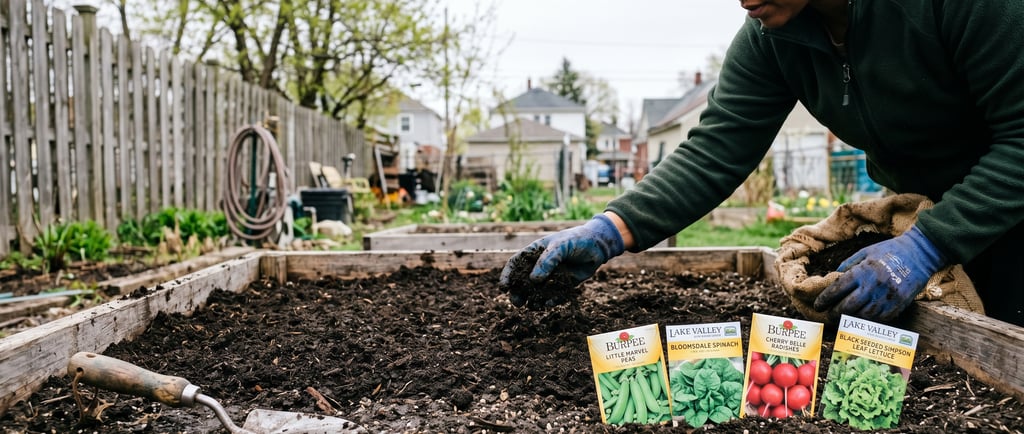
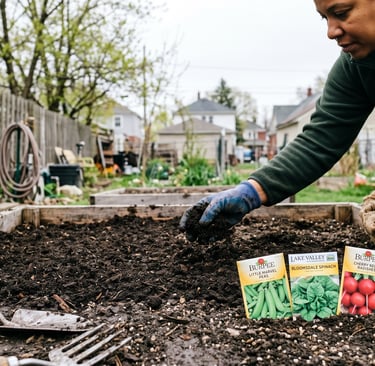
Spring in Detroit brings a mix of crisp air, muddy boots, and the exciting promise of a new growing season. If you want to grow your own food but feel unsure about where to start, you are in the right place. You do not need a massive farm or years of experience to grow a healthy, productive garden. Urban gardening is not about having more space—it is about using the space you have well.
Before you wrap up your spring checklist, remember: learning and growing together makes gardening even more rewarding. Consider joining Keep Growing Detroit for access to workshops, soil testing, and volunteer opportunities, or visit other nearby community gardens for fresh ideas and support. Eastside Community Network is also a great resource for connecting with others who are passionate about making positive changes in our neighborhoods. Everyone’s welcome—there’s always something new to learn, no matter your experience level.
When the snow finally melts, many beginners think they have to wait until late May to start planting. But waiting means missing out on an entire season of delicious, fresh food. Early spring is the perfect time for "cold crops." These tough, resilient vegetables actually prefer chilly weather and can handle the unpredictable temperature swings we get here in Zone 6.
In this guide, we will walk through a simple, step-by-step checklist to prep your Detroit garden for early spring planting. You will learn how to check your dirt, pick the right seeds, and get your food growing. Let us get your hands in the soil.
What Are Cold Crops?
Cold crops, sometimes called cool-season vegetables, are plants that thrive in cooler temperatures. They germinate well in chilly soil and often taste sweeter after a light frost. Unlike tomatoes or peppers, which will die if the temperature drops too low, cold crops are sturdy.
If you live in Detroit, these are the plants you want to focus on in late March and April. They include leafy greens like spinach, kale, and lettuce, as well as root vegetables like radishes, carrots, and beets. Peas and broccoli also fall into this category.
Growing these plants is a fantastic way to stretch your grocery budget early in the year. A single packet of spinach seeds costs just a couple of dollars but can yield bags of fresh greens for your family. Plus, harvesting early greens gives you an easy, quick win to build your confidence for the rest of the season.
Step 1: Check and Prepare Your Soil
Healthy plants need healthy soil. Your dirt provides the food and water your vegetables need to grow. Before you put a single seed into the ground, you need to make sure your garden beds are ready for action.
Do the Squeeze Test
Spring in Michigan usually means a lot of rain. If your soil is too wet when you start digging, you will ruin its structure. Compacting wet dirt turns it into hard blocks that delicate plant roots cannot push through.
To check if your soil is ready, do the simple squeeze test. Grab a handful of dirt from your garden bed and squeeze it into a ball. If water drips out, it is too wet. If it forms a tight ball that stays stuck together when you poke it, it needs more time to dry. You want the soil to hold its shape loosely but crumble easily when you press it with your finger.
Clean Up the Beds
Once your soil is dry enough to work, clear out the winter debris. Remove dead leaves, twigs, and any leftover plant stalks from last year. Weeds often wake up before our vegetables do, so pull any early weeds you spot. Removing this debris gives your new seeds the light and space they need to sprout.
Add Essential Nutrients
Vegetables are heavy feeders. They pulled a lot of nutrients out of your soil last year. Now, you need to put those nutrients back. The most budget-friendly and effective way to do this is by adding compost.
Spread a layer of compost about two inches thick across the top of your garden bed. Use a garden fork or a small hand trowel to gently mix it into the top few inches of your existing dirt. You do not need to dig deeply. This light mixing feeds your soil and creates a soft, welcoming bed for tiny seeds.
Step 2: Selecting the Right Seeds
Walking into a garden center and seeing racks of seed packets feels exciting, but it easily becomes overwhelming. As a beginner, keep things simple. Pick three or four cold crops that your family actually enjoys eating.
Best Cold Crops for Urban Spaces
If you are working with a small yard or a raised bed, look for crops that grow quickly and do not take up much room.
Radishes: These are the ultimate beginner crop. They are ready to harvest in about 30 days and take up very little space.
Spinach and Leaf Lettuce: You can harvest the outer leaves of these plants continuously, meaning a small patch will feed you for weeks.
Peas: Peas grow upward. By providing a simple trellis or some sticks for them to climb, you save valuable ground space.
Reading the Seed Packet
Your seed packet is your best friend. It holds all the instructions you need for that specific plant. Look at the back of the packet for a few key details. Find the "planting depth" to know how far down the seed goes. Check the "days to maturity" to see how long it takes before you can eat it. Finally, look for the "spacing" guidelines so you do not crowd your plants.
Step 3: Planting and Protection
Once your soil is prepped and your seeds are chosen, it is time to plant. Cold crops are generally "direct sown," which means you plant the seeds right into the dirt outside, rather than starting them indoors under lights.
Sowing Your Seeds
Follow the depth instructions on your seed packet. A helpful rule of thumb is to plant a seed only twice as deep as the seed is wide. For tiny seeds like lettuce, you barely need to cover them. Just sprinkle them on the soil and lightly dust them with dirt. For bigger seeds like peas, poke a small hole with your finger, drop the seed in, and cover it up.
Water your newly planted seeds gently. You want the soil to be damp like a wrung-out sponge, but not forming puddles. Use a watering can with a fine "rose" attachment so you do not wash the seeds away.
Protecting Against Hard Freezes
While cold crops enjoy chilly weather, a sudden, brutal freeze can still harm tiny new sprouts. Keep an eye on the local Detroit weather forecast. If the temperature is predicted to drop below 28 degrees Fahrenheit, you should cover your plants.
You do not need expensive equipment for this. An old bedsheet, a light tarp, or even an empty plastic milk jug with the bottom cut out works perfectly. Place your cover over the garden bed in the evening to trap the heat from the soil, and make sure to take it off the next morning when the sun comes up.
The Zone 6 Cold Crop Spring Checklist
Use this quick summary to track your progress as you prep your space this spring:
Wait for the snow to melt and the ground to thaw.
Perform the squeeze test to ensure soil is not too muddy.
Clear winter debris, dead leaves, and early weeds from your beds.
Add a 2-inch layer of compost to feed the soil.
Choose 3-4 beginner-friendly cold crop seeds (like radishes, peas, or spinach).
Read the back of your seed packets for spacing and depth rules.
Plant your seeds directly into the garden bed.
Water gently to keep the soil consistently damp.
Keep an old bedsheet handy to cover sprouts during hard freezes.
4 Common Mistakes to Avoid with Early Spring Planting
Beginner-friendly does not mean watered down. You will get clear steps, plus the details that help you avoid common mistakes. If something did not work out last season, that is not failure—that is information. We adjust, we learn, and we try again. Here are four common traps to watch out for.
1. Working Muddy Soil
As mentioned earlier, digging in wet dirt is a major setback. It ruins the air pockets in the soil that roots need to breathe. If you step on or dig in muddy beds, you will create hard clumps that bake like bricks in the summer sun. Always practice patience and wait for the soil to dry out.
2. Planting Summer Crops by Accident
It is tempting to plant tomatoes and peppers on the first warm day in April. Do not fall for this trick. Detroit springs are famous for late snowstorms. Tomatoes, peppers, and cucumbers will die instantly in a frost. Stick strictly to cold crops like kale, peas, and carrots until the middle of May.
3. Planting Seeds Too Deep
Seeds contain a small amount of stored energy. They use this energy to push their first leaves up through the dirt to find the sun. If you bury a tiny seed an inch deep, it will run out of energy and die before it ever breaks the surface. When in doubt, plant shallowly.
4. Forgetting to Thin the Sprouts
When you plant small seeds like carrots, it is easy to accidentally pour a dozen seeds into one tiny spot. When they sprout, they will look like a thick patch of grass. You must pinch out the extra seedlings so the remaining plants have room to grow. If you leave them crowded, they will fight for water and nutrients, and none of them will grow to full size.
Grow With Our Community
Starting a garden is a rewarding way to bring fresh, healthy food to your family's table. Early spring gives you the perfect head start. By preparing your soil carefully, choosing resilient cold crops, and following basic planting steps, you are setting up your urban space for an abundant season. Take it one step at a time, celebrate the small green sprouts when they appear, and enjoy the process.
You never have to figure all of this out alone. Gardening is a shared practice, and we love learning alongside our neighbors. If you want to gain more hands-on experience, ask questions, or just meet other locals who love growing food, we would love to see you.
If you’d like to volunteer with us this season, you can find current opportunities here: https://www.eventbrite.com/o/50064615193
Contact
LittleDetroitCG@gmail.com
© 2025. All rights reserved.