Michigan Native Plants 101: What 'Native' Means and Why It Matters in Detroit
Learn what native plants are, why they thrive in Detroit, and how to start growing them in your urban garden with this beginner-friendly guide.
Kesha P.
5/7/20266 min read
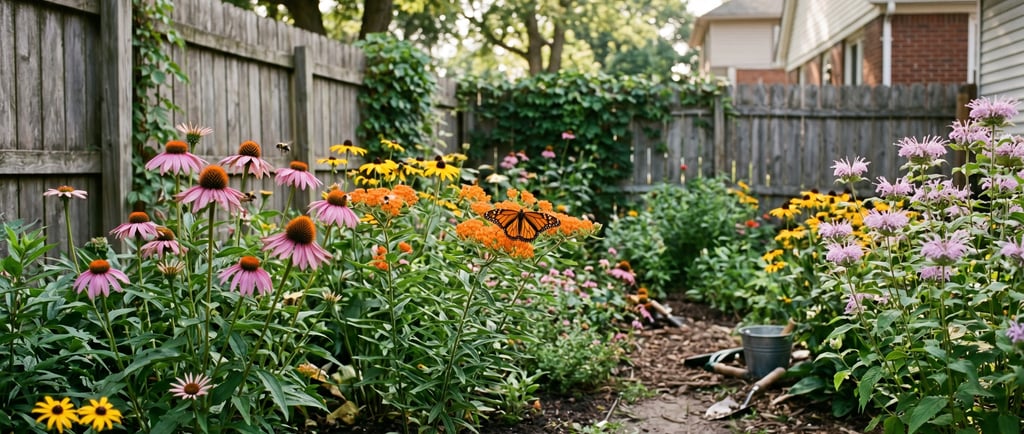
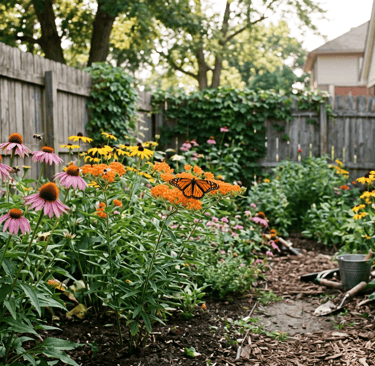
When you walk through a garden center in the spring, the sheer number of flower choices can feel completely overwhelming. You see rows of bright, beautiful blooms from all over the world, each promising to make your yard look incredible. But if you have ever bought a stunning plant only to watch it struggle and die in the Michigan weather, you know that not every plant belongs in our local soil.
If you have never gardened before, you are in the right place. We will keep this simple, practical, and doable—one step at a time. The secret to a thriving, low-maintenance garden is not a magic fertilizer or endless hours of watering. The secret is simply choosing the right plants for the right place.
This brings us to one of the most important concepts in modern gardening: native plants. You might have heard this term floating around at local workshops or community garden events. In this guide, we will break down exactly what "native" means, why these resilient plants are perfect for your Detroit yard, and how to get started. Let us dig in and make your garden work for you, not against you.
What Does "Native" Actually Mean?
The word "native" gets tossed around a lot, but its meaning is very simple. A native plant is a plant that naturally grew in a specific region for hundreds or thousands of years before humans started moving plants across the globe.
For us in Detroit, native plants are the flowers, shrubs, and trees that survived and thrived in our exact climate long before the city was even built. They evolved to handle our freezing winters, our humid, hot summers, and our specific types of soil. They know exactly how to live in Zone 6 because this is their natural home.
On the other hand, non-native plants are species that were brought here from other parts of the world. While many non-native plants are harmless and pretty, they often require extra care. They might need more water, special soil treatments, or winter protection because they are not used to Michigan weather. Native plants, however, already know what to do.
Why Native Plants Matter for Your Detroit Garden
Urban gardening is not about having more space—it is about using the space you have well. Incorporating native plants into your yard or community plot offers incredible benefits that save you time, money, and energy.
They Save You Money and Water
Native plants have deep root systems. Because they evolved in our natural environment, they know how to search deep into the earth for water during dry spells. Once a native plant is established in your yard, you’ll usually water less, especially during dry periods. This can help lower your water bill and gives you more free time.
They Require Zero Chemicals
When you plant flowers that do not belong in our climate, they often get stressed. Stressed plants attract pests and diseases, which leads people to buy expensive chemical sprays. Michigan native plants are naturally more resistant to our local pests and diseases, so they often require fewer chemicals and less artificial fertilizer than non-native options—as long as we still use good gardening practices. They’re generally happy in the soil we already have, making them less likely to need extra inputs.
They Feed Our Local Pollinators
Have you noticed fewer butterflies and bees in your neighborhood? Our local bugs and birds evolved right alongside our native plants. They rely on these specific flowers for food and shelter. Many modern, store-bought flowers have been bred to look pretty but often offer little nectar compared to natives. By planting native Michigan species, you turn your yard into a vital buffet for bees, butterflies, and hummingbirds.
They Prevent Flooding
Detroit occasionally deals with heavy spring rains and localized flooding. Because native plants have incredibly deep roots—sometimes reaching five to ten feet into the ground—they help absorb rainfall and reduce runoff more effectively than typical lawn grass. Over time, this can support better drainage in your yard and neighborhood.
5 Foolproof Michigan Native Plants for Beginners
If we’re starting in a small Detroit yard, we can begin with just one sunny container or a simple 2×4 corner of a bed. Pick two or three native plants with similar sun needs and water regularly the first season while their roots get established. Each year, you can add one new plant as your garden (and confidence) grows.
Ready to start? You do not need a massive yard to make an impact. Even a small corner of a raised bed or a few pots on a patio can host beautiful natives. Here are five beginner-friendly plants that thrive in Detroit.
1. Purple Coneflower (Echinacea purpurea)
The Purple Coneflower is a true superstar of the native garden. It features bright purple petals surrounding a spiky, orange-brown center. It loves full sun and handles summer droughts like a champion. Better yet, if you leave the dead flower heads on the plant during the winter, local birds like goldfinches will visit your yard to eat the seeds.
2. Butterfly Weed (Asclepias tuberosa)
Do not let the word "weed" fool you. This plant produces stunning, bright orange flowers that act like a magnet for Monarch butterflies. Butterfly weed requires very little water and loves basking in the hot sun. It is a critical host plant for Monarch caterpillars, meaning you are actively helping save a butterfly species just by putting it in the dirt.
3. Black-eyed Susan (Rudbeckia hirta)
If you want a burst of cheerful yellow in your yard, the Black-eyed Susan is perfect. These daisy-like flowers prefer full sun to part sun, blooming from mid-summer all the way into the fall. They are incredibly tough, easily handling our poor urban soils and hot afternoons. They also spread naturally, giving you free plants over time.
4. Wild Columbine (Aquilegia canadensis)
If your yard has more shade than sun, Wild Columbine is your best friend. It features unique, bell-shaped red and yellow flowers that dangle beautifully from delicate stems. It blooms early in the spring and is an absolute favorite for early-arriving hummingbirds.
5. Wild Bergamot / Bee Balm (Monarda fistulosa)
Wild Bergamot prefers full sun to part sun and thrives when it has good airflow, which helps reduce powdery mildew. This plant boasts fluffy, light-purple blooms and leaves that smell like Earl Grey tea when you rub them. It is highly resistant to deer and rabbits, but bees completely adore it. It grows aggressively, so give it a little space to spread out and enjoy the show.
Native plants can grow in raised beds, in-ground beds, and even large containers—start with whatever space you have.
4 Common Mistakes When Planting Natives
Beginner-friendly does not mean watered down. You will get clear steps, plus the details that help you avoid common mistakes. If it did not work last season, that is not failure—that is information. We adjust, we learn, and we try again. Here are four traps to watch out for.
1. Digging Up Wild Plants
Never go to a local park or nature trail and dig up a native plant to bring home. This damages natural ecosystems and the plant rarely survives the shock of being moved. Always buy your seeds or starter plants from reputable local nurseries that specialize in ethically grown native species.
2. Giving Up on the First Year
Gardeners have a saying for native plants: "The first year they sleep, the second year they creep, the third year they leap." Native plants spend their first year growing deep roots underground, so they might not look very impressive on top. Practice patience. By year three, they will be massive and thriving.
3. Amending the Soil Too Much
Many beginners think they need to dump expensive fertilizers and rich potting soil into the hole when planting natives. Do not do it! These plants actually prefer our plain, unamended dirt. If you make the soil too rich, the plants will grow too tall and flop over. Just put them in the ground and let them be.
4. Forgetting to Check Sunlight Needs
Just because a plant is native to Michigan does not mean it will grow anywhere in your yard. Some natives live in open prairies and need bright, direct sun. Others live in forests and need heavy shade. Always read the plant tag to make sure you are matching the plant to the light in your yard.
Grow With Our Community
Adding native plants to your Detroit yard is a powerful way to bring life, color, and resilience to your neighborhood. You are not just planting flowers; you are rebuilding the local ecosystem, saving money on water, and supporting the bees and butterflies that keep our food supply growing. Start small by picking just one or two plants from the list above, find a sunny or shady spot, and watch what happens.
Whether it’s applying for resources through the Detroit Black Farmer Land Fund, joining Keep Growing Detroit for affordable soil testing, or visiting other Eastside community gardens, we can learn faster when we learn together.
If you want to gain more hands-on experience, ask questions, or just meet other locals who love growing a greener city, we are here for you. Check out our community events calendar to see when we are gathering next.
If you would like to volunteer with us this season, you can find current opportunities here: https://www.eventbrite.com/o/50064615193. Grab a trowel, step into the fresh air, and let us start this growing season together!
Contact
LittleDetroitCG@gmail.com
© 2025. All rights reserved.