
Beginner’s Guide to Building Raised Beds in Michigan (Zone 6)
3/10/20265 min read
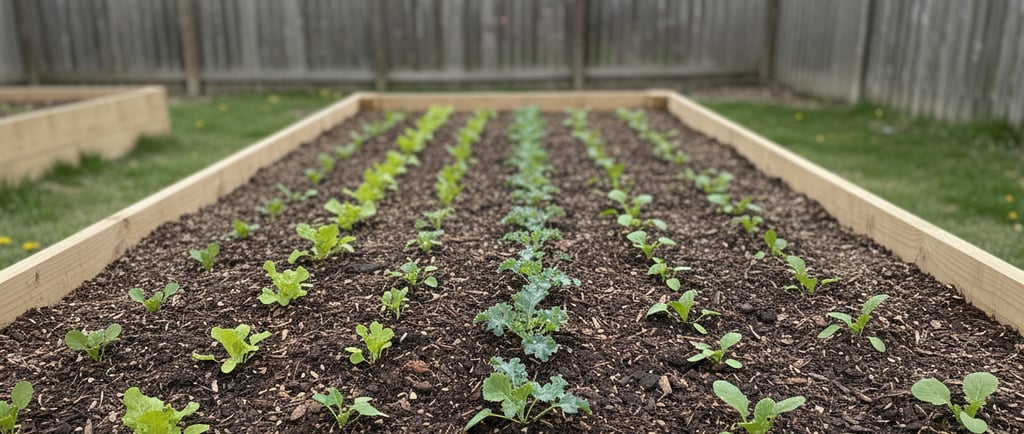
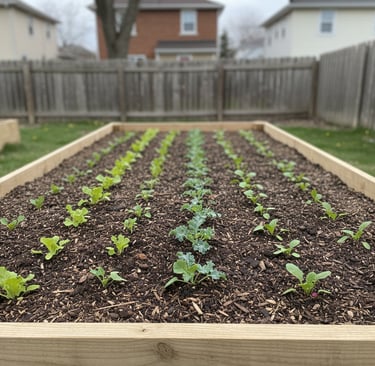
Growing your own food offers a profound sense of joy and connection. You get to step outside, feel the sun on your face, and harvest fresh vegetables for your family and neighbors. If you feel eager to start but unsure of where to dig, a raised garden bed provides the perfect starting point. They make gardening accessible, organized, and incredibly rewarding for beginners.
Many first-time gardeners feel overwhelmed by the idea of tearing up their yard. We completely understand that hesitation. Building a raised bed takes the guesswork out of the process. You build up rather than digging down, which saves your back and gives your plants an ideal home right from day one.
In this guide, we will walk through everything you need to start your growing journey. You will learn how to pick the best spot, choose the right dimensions, and fill your new bed with nutrient-rich soil. We will also cover exactly when to build and plant here in Michigan. Let us get your hands in the dirt and set you up for a fantastic harvest.
Why Raised Beds Work Beautifully for Beginners
Starting a garden directly in the ground often comes with hidden challenges. When you decide to plant in your backyard, you rarely know the exact quality of your native soil. It might lean heavily toward dense clay, or it could lack the essential nutrients your vegetables need to thrive. Raised beds serve as a smart, practical option when your native soil quality remains unknown.
By building above the ground, you create a fresh, clean slate. You get to control exactly what goes into the soil, ensuring your plants receive the best possible nutrition. This method also protects your growing space from heavy foot traffic, which keeps the soil loose and healthy. When soil stays loose, plant roots can stretch out easily to find the water and food they require.
While raised beds offer amazing benefits, you must pay attention to how water moves through your yard. You want to make sure your new garden structure does not block the natural drainage paths in your landscape. If you build a solid wooden box straight across a natural slope, water might pool up behind it. If your yard has a slope, position beds parallel to the slope or leave space so water can move around them. Simply observe how rain flows through your yard and place your beds so water can drain freely around them.
Picking the Perfect Spot in Your Yard
Your garden's success relies heavily on where you place it. Vegetables need plenty of energy to produce colorful, delicious harvests, and that energy comes from the sun. Choose a level site in your yard that receives at least six hours of direct sunlight every day. Watch your yard throughout the morning and afternoon to see which areas stay sunny the longest.
Keep Water Close and Roots Away
Next, think about your daily gardening routine. You will need to water your plants frequently, especially during those hot Michigan summers. Pick a spot with convenient water access so you do not have to drag a heavy, tangled hose across your entire yard. If watering feels like a chore, your plants might accidentally go thirsty.
You also want to look up and look down before you build. Avoid placing your raised beds under large trees or near thick shrubs. Tree roots naturally seek out rich, watered soil, and they will easily sneak into your raised bed to steal nutrients from your vegetables. Finally, steer clear of low-lying areas in your yard that tend to stay soggy, as poor drainage will quickly drown young vegetable roots.
Sizing Your Bed for Success
When designing your first garden, you might feel tempted to build a massive growing space. However, keeping things manageable actually leads to a better harvest. We strongly recommend sticking to beginner-friendly dimensions to make your daily garden tasks enjoyable. Build your beds between three and four feet wide.
Why Width and Depth Matter
The three-to-four-foot width serves a very specific purpose. It allows you to comfortably reach the center of the bed from either side without stepping inside. The moment you step on your garden soil, you compact it, which makes it harder for plant roots to grow. A narrow bed keeps your boots on the path and your soil perfectly fluffy.
For depth, aim for eight to twelve inches tall. This standard depth works beautifully for most common vegetables like lettuce, peppers, and radishes. If your budget and materials allow, building deeper beds offers even more benefits. Deeper beds provide extra room for root volume, buffer moisture levels during dry spells, and allow you to grow deep-rooted crops like carrots and potatoes with ease.
What to Fill It With: The Perfect Soil Mix
A beautiful wooden frame means nothing without the right ingredients inside. Your soil acts as the lifeblood of your garden. Fill your new bed with a high-quality raised-bed mix rather than standard topsoil or dirt dug from the ground. Bagged or bulk raised-bed mixes contain the right balance of ingredients to keep the soil light, airy, and full of life.
Always ensure your chosen mix includes plenty of organic matter, like high-quality compost. Organic matter acts like a sponge, holding onto moisture while providing a slow, steady release of nutrients to your hungry plants. It also encourages helpful earthworms and beneficial microbes to move in and set up shop.
If you plan to mix your own soil or use bulk delivery from a local supplier, we highly recommend getting a soil test when possible. A basic soil test tells you exactly what nutrients you have and what you might need to add. It takes the guesswork out of feeding your plants and ensures your vegetables have exactly what they need to yield a massive harvest.
Navigating Zone 6: When to Build and Plant
Gardening in Michigan requires a good understanding of our specific seasons. As a USDA Zone 6 gardener, timing plays a crucial role in your success. You can start building your raised beds as soon as the ground becomes workable in late winter or early spring. Once the snow melts and the soil thaws enough to level the ground, you can grab your tools and get to work.
Cool Season vs. Warm Season Crops
You do not have to wait for summer to start growing. You can plant cool-season crops directly into your new raised beds in early spring. Vegetables like spinach, kale, peas, and radishes actually love the chilly spring air and will happily grow while frost still occasionally touches the ground. Getting these early crops in the soil gives you a quick, rewarding harvest.
Warm-season crops, however, require patience. Tomatoes, peppers, cucumbers, and squash despise cold weather. Wait to plant these warm-season favorites until all frost risk entirely passes. In Zone 6, this typically means waiting until mid-to-late May. Keeping these tender plants indoors or at the nursery until the weather warms up guarantees they will thrive once they hit your garden.
Your Quick Start Checklist
Choose a level spot with 6+ hours of sunlight
Confirm your hose reaches the area easily
Avoid tree roots and soggy low spots
Build the bed 3–4 feet wide and 8–12 inches deep (deeper if possible)
Fill with a raised-bed mix rich in organic matter/compost
Plant cool-season crops early, and wait to plant warm-season crops after frost risk passes
Ready to build? Use this simple checklist to keep your project organized and on track.
Find a level spot with six or more hours of daily sunlight.
Check that your garden hose easily reaches your chosen location.
Ensure the spot sits away from large tree roots and soggy drainage zones.
Build your bed frame three to four feet wide and at least eight inches deep.
Fill the frame with a premium raised-bed soil mix rich in compost.
Plan your crops based on Zone 6 cool-season and warm-season timelines.
Join Our Growing Community
Want to learn hands-on and grow alongside the community? Sign up for volunteer opportunities with the Little Detroit Community Garden.
Building your first raised bed marks the beginning of a wonderful adventure. As you watch your seeds sprout and your plants reach toward the sun, you’ll discover the deep satisfaction of growing your own food. You do not have to figure everything out on your own—gardening is more rewarding when we share what we learn, swap tips, and celebrate harvests together.
If you want to build confidence, learn practical skills, and support a stronger community, we would love to have you join us. Please sign up for our upcoming Volunteer Opportunities, and let’s grow something beautiful together.
Contact
LittleDetroitCG@gmail.com
© 2025. All rights reserved.